






Rights and Justice for Working Animals Working animals—such as horses, donkeys, buffaloes, camels, dogs, elephants, and oxen—have been inte...
Rights and Justice for Working Animals
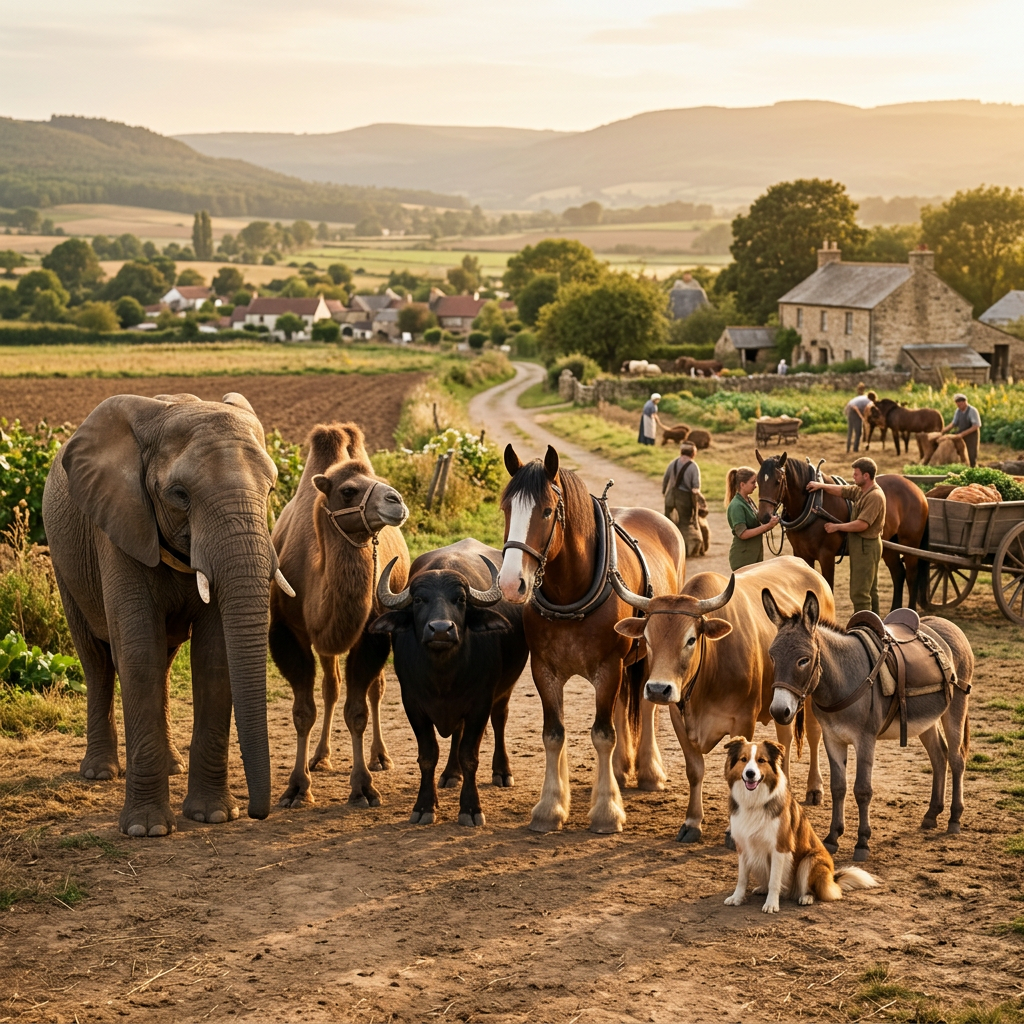
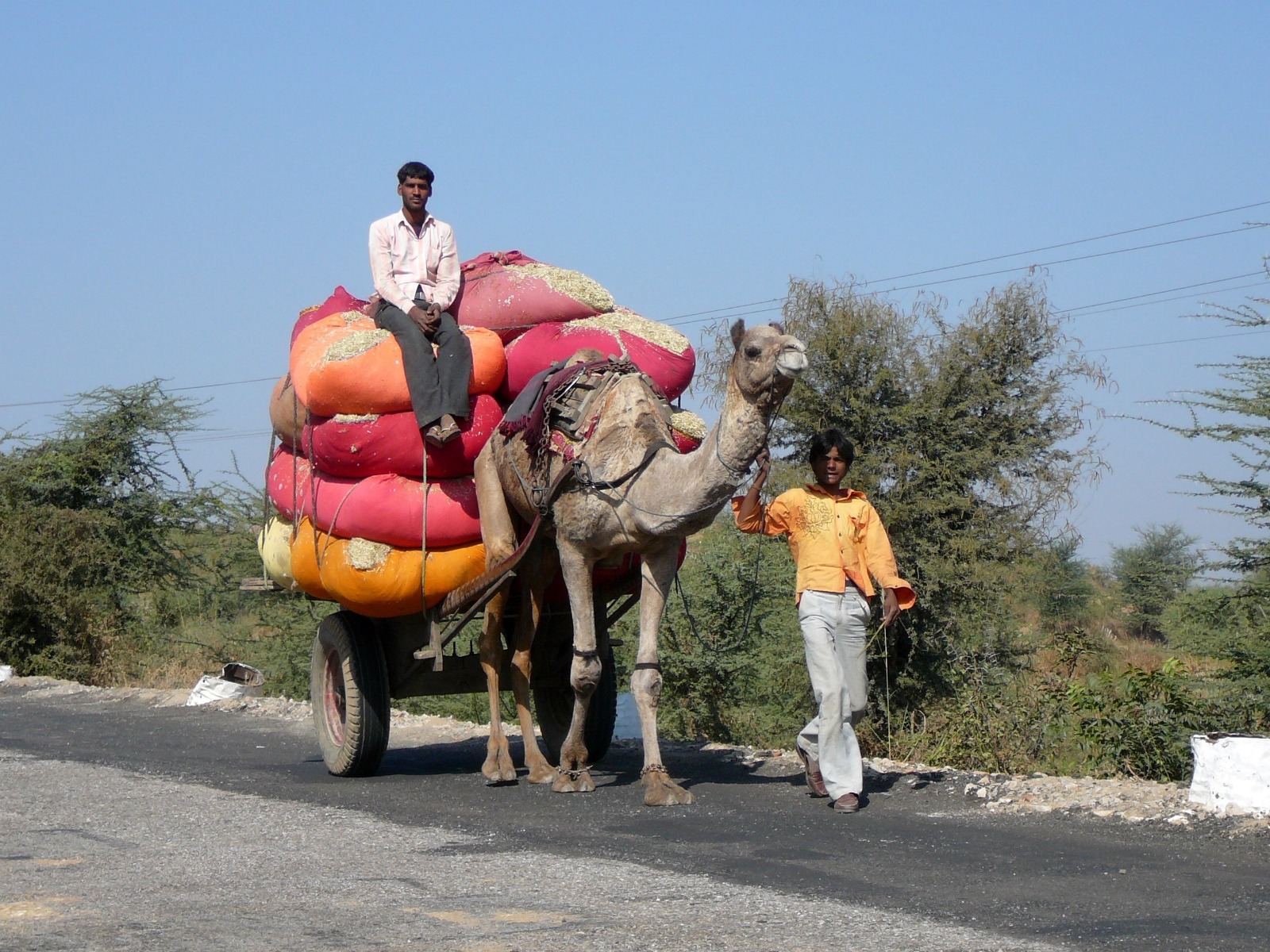
Working animals—such as horses, donkeys, buffaloes, camels, dogs, elephants, and oxen—have been integral to human civilization for centuries. They plow fields, carry loads, transport people and goods, assist in law enforcement, and provide companionship and security. Despite their indispensable contributions, many working animals endure neglect, overwork, and cruelty. Recognizing their rights and ensuring justice is not only a moral obligation but also a measure of societal compassion.
The Rights of Working Animals
Working animals, like all sentient beings, deserve basic rights that safeguard their welfare:
1. Right to Proper Shelter: Animals need safe, clean, and comfortable environments to rest and protect them from extreme weather.
2. Right to Adequate Nutrition and Water: Proper food and clean water are essential to maintain their strength, health, and stamina.
3. Freedom from Cruelty and Overwork: Working animals must not be subjected to abuse, overloading, or exploitation beyond their physical limits.
4. Access to Healthcare: Regular veterinary care, timely treatment of injuries, and vaccinations are vital to prevent suffering and ensure longevity.
5. Right to Rest and Dignity: Working animals require adequate rest periods, humane handling, and respect for their inherent value.
The Need for Justice
Justice for working animals is about more than punishing cruelty—it is about creating a society where their contributions are valued, and their welfare is prioritized. Many working animals face harsh conditions, overexertion, and neglect. Enforcing laws against abuse, promoting ethical practices, and raising awareness about humane treatment are critical steps toward justice.
Legal and Social Measures
To ensure the welfare of working animals, several measures should be implemented:
• Strict enforcement of animal cruelty laws with clear penalties.
• Regular monitoring of working conditions in agriculture, transport, tourism, and law enforcement.
• Providing rescue, rehabilitation, and veterinary support for abused or abandoned animals.
• Educating owners and communities about responsible and ethical animal care.
• Promoting the use of humane equipment and methods to prevent injuries and stress.
Building a Compassionate Society
The way we treat working animals reflects the values of our society. By respecting their rights, providing proper care, and advocating against cruelty, we create a compassionate and ethical environment. Working animals are not mere tools—they are loyal companions and essential partners whose welfare must be protected.
For thousands of years saints and noble hearted people have been telling human beings to stop cruelty to animals. Only in those countries where there is strict law enforcement has there been minimal progress.
We need to understand that human being exploit animals and abuse them out of frustration because they themselves are being exploited in a society based on economic tyranny where less than 5% of the people hoard the wealth of the land and the poor are forced to make a living exploiting animals. This is why the Preceptor of PCAP said Neo-Humanism and PROUT are two wings of the birds of humanity. Humanism without giving control of the commonwealth of the land to the people (PROUT) leads to the violation of human rights and animal rights in practice. Only in a new society where economic power truly rests in the hands of the people will humanism rise above being a mere sentiment. Only then will Neo-Humanism become a practical reality in the daily lives of both animals and human beings.
Conclusion
Working animals deserve respect, protection, and justice. Recognizing their rights, providing proper care, and preventing abuse is a moral imperative. By standing up for working animals, we honor their invaluable contributions and reaffirm our commitment to compassion, dignity, and ethical responsibility toward all living beings. Standing up for them also means standing up for the poor people who have no way of living in an unjust society. Fighting this Adharma of greed and inequality is the path of righteousness that is the hallmark of a true saint. This is the only to Prevent Cruelty to all living beings.

Post a comment