






Don’t Turn Away From Our Donkeys You see that donkey by the construction site on your way to the market.But have you ever truly looked at it &mda...
Don’t Turn Away From Our Donkeys
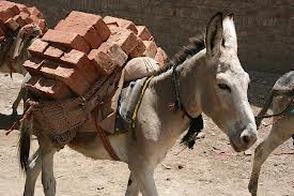
You see that donkey by the construction site on your way to the market.
But have you ever truly looked at it — into those tired eyes still hoping for a moment of affection?
Or do you simply look away and walk on?
Donkeys appear ordinary. They never attract admiration like horses or elephants. Yet they are among the most overworked and abused animals in India, especially in brick kilns across Uttar Pradesh and Bihar — kilns already infamous for exploiting low-caste workers as bonded labourers. In truth, the most exploited labourers there are often the donkeys.
They carry heavy loads of bricks, cement and construction materials every day. Throughout history humans have insulted donkeys — riding a donkey was once a public punishment, and the word “donkey” is still used as an insult in many languages. Yet donkeys are thoughtful, gentle creatures. When shown a little affection they serve with deep loyalty — but affection is rare. Most are beaten, mocked and ignored.
Lord Shiva recognised the importance of the donkey’s voice — the musical note Dha in the Indian surasaptaka is linked to the donkey’s call. In Tamil Nadu and Odisha, poor farmers traditionally used donkeys to plough the land; in a few places this continues even today.
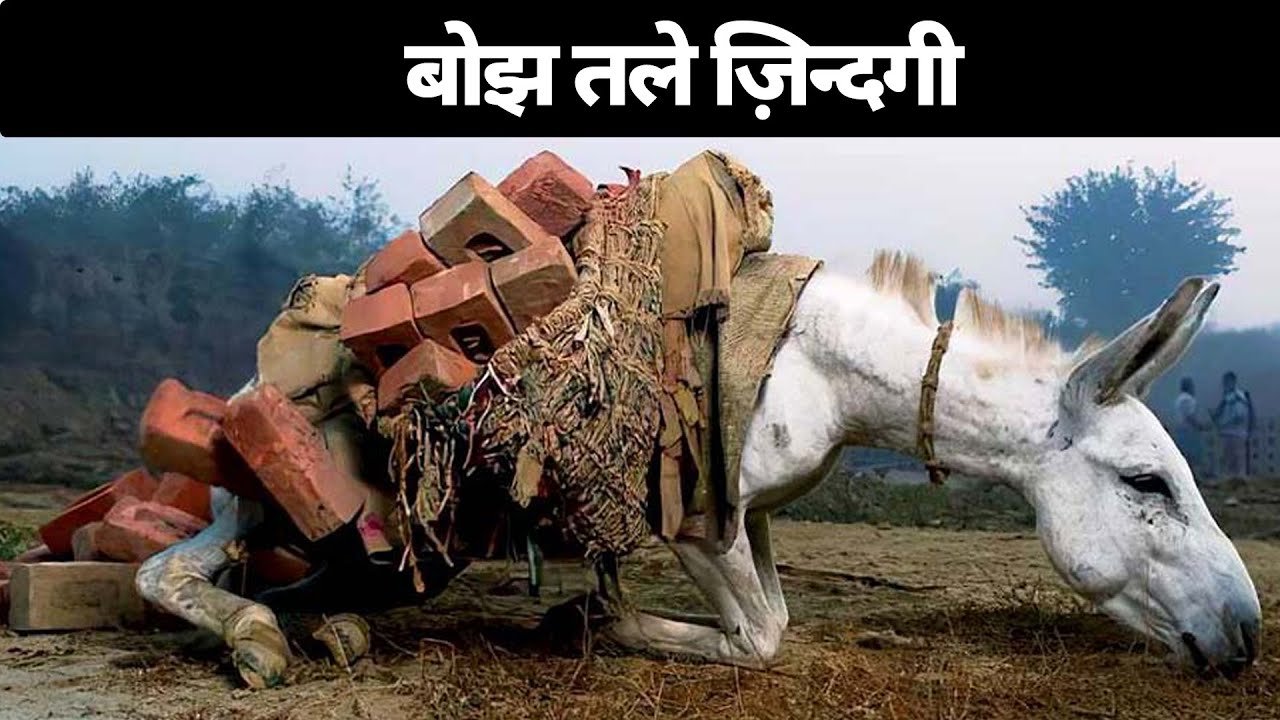
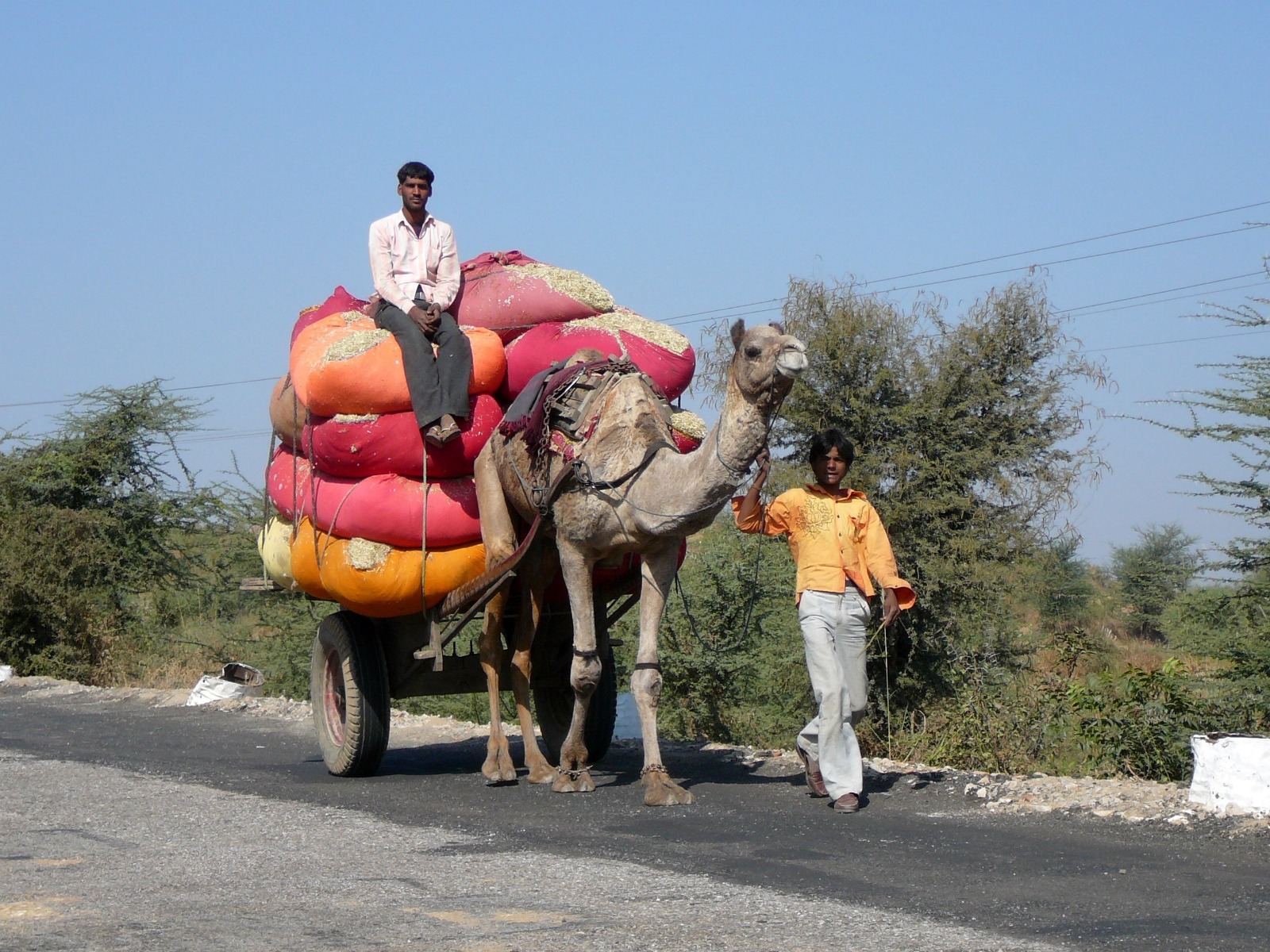
Donkeys are widely used in construction and road building, railway repairs and an estimated 125,000 brick kilns across India. They transport bricks, gravel, debris and goods in terrains where machines cannot reach, even in remote pilgrimage routes. Yet their numbers are declining: the donkey population dropped by more than 61% between the 2012 and 2019 livestock censuses — due to mechanisation, neglect, disease and the illegal skin trade.
Many donkeys work up to 10 hours daily, often carrying more than half their body weight, without proper rest, food or water. They suffer painful harness wounds, lameness, hoof injuries and beatings. Without grazing land, they survive on garbage while tied under the burning sun.
Because donkey owners are usually from marginalised castes, both the owners and the animals remain invisible in labour policies and urban life. Many owners are trapped in debt to kiln operators and cannot escape exploitation. Very few NGOs work for donkey welfare, and veterinary care is almost non-existent.
A new trend — donkey farming for milk priced at Rs. 2,000 to Rs. 7,000 per litre — is emerging due to cosmetic and pharmaceutical demand. But there is no sign that this industry will improve the fate of the animals.
Some few masters care for their donkeys, but their affection is unpredictable and dependent on mood — and poverty rarely brings gentle moods. Thus the donkey’s future remains dark.
So what can we say, dear reader? Human life itself is not respected — that is why millions are still pushed into poverty and caste-based exploitation. And this disrespect extends to animals. Those who are quiet, humble and submissive — whether human or animal — are the ones most exploited.
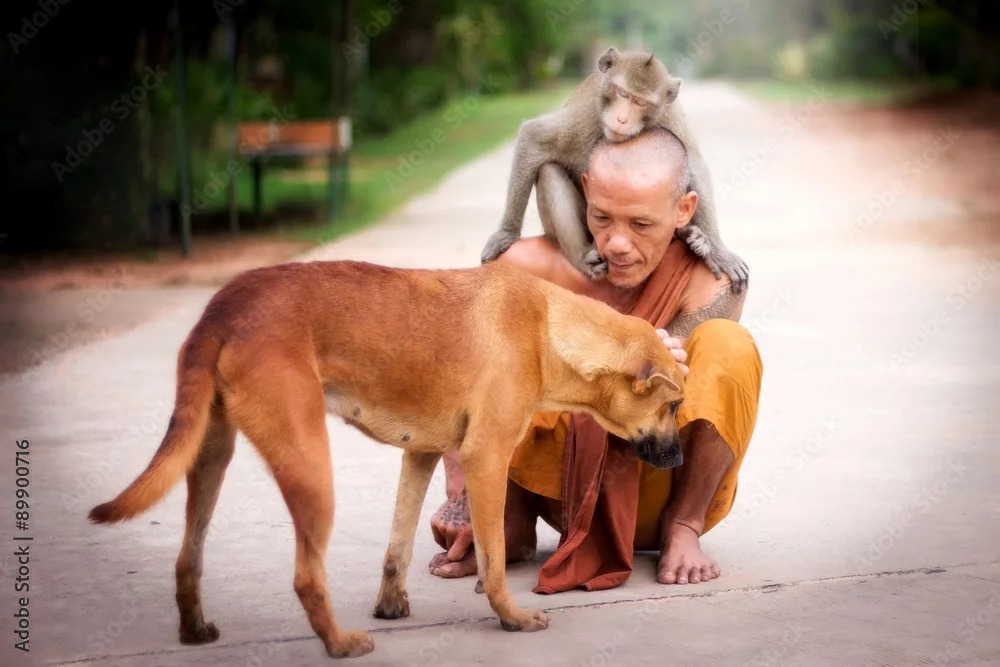
The true problem is the human heart. Our culture teaches us to glorify the powerful and ignore the meek. A truly noble outlook — a Neo-Humanistic outlook — honors every being.
The Spanish Nobel Laureate Juan Ramon Jimenez, who translated Tagore into Spanish, wrote the famous book Platero and I, a love story between a poet and a donkey named Platero. Such stories can change the human heart.
The issue of donkey abuse is rooted in our economy and our culture. Only in a decentralised economy will every worker — human and animal — be respected. Only in a society based on humanism will animals receive Neo-Humanistic love. This should be India’s mission in the 21st century — a land where even the humble donkey receives dignity and care.
It begins very simply: The next time you see a donkey — just look. Offer a smile, a gentle sound, a kind pat. Do not look away.
As our Beloved Gurudeva Shrii Prabhat Ranjan Sarkar has said:
“One must serve the entire universe without any restriction of caste, creed or nationality, but rather with the sentiment of Neohumanism: ‘The universe is mine, all living beings are mine. I am to serve them, I am to help them. If I donʼt serve them, if I donʼt help them, who else will help them? I am here to serve them!’ In this way, if you are fighting against those inner and outer bondages with one hand, and serving the universe with the other, your existence will be blissful in each and every field of your movement – your very existence will be joyful.”

Post a comment