






When Will the Horses Run Free? How long will horses continue to suffer in captivity?When will they run free as they were meant to? In Vedic times...
When Will the Horses Run Free?
How long will horses continue to suffer in captivity?
When will they run free as they were meant to?
In Vedic times, one of the most sacred rituals was the Ashvamedha Yajña — the ceremonial slaughter of innocent horses while hymns were chanted. Horses have always given their lives for human beings.
It was the courage of the horse Chetak to charge Mughal elephants and run the like the wind and jump over a chasm that made Rana Pratap great but led to its death. At that time Rana Pratap cried. But today there is no one like Rana Pratap fighting foreign control of the wealth of India and there is no one crying about the horses who die to day being worked to death.
But today, there is no one crying for the horses who die every day from overwork and abuse.
Due to the protests and influence of Buddha and Mahavir Jain, these ancient rituals ended — but the cruelty to horses increased. From Gujarat and Punjab to Bengal, from the Gangetic plains to Uttarakhand, horses are used and abused as labourers.
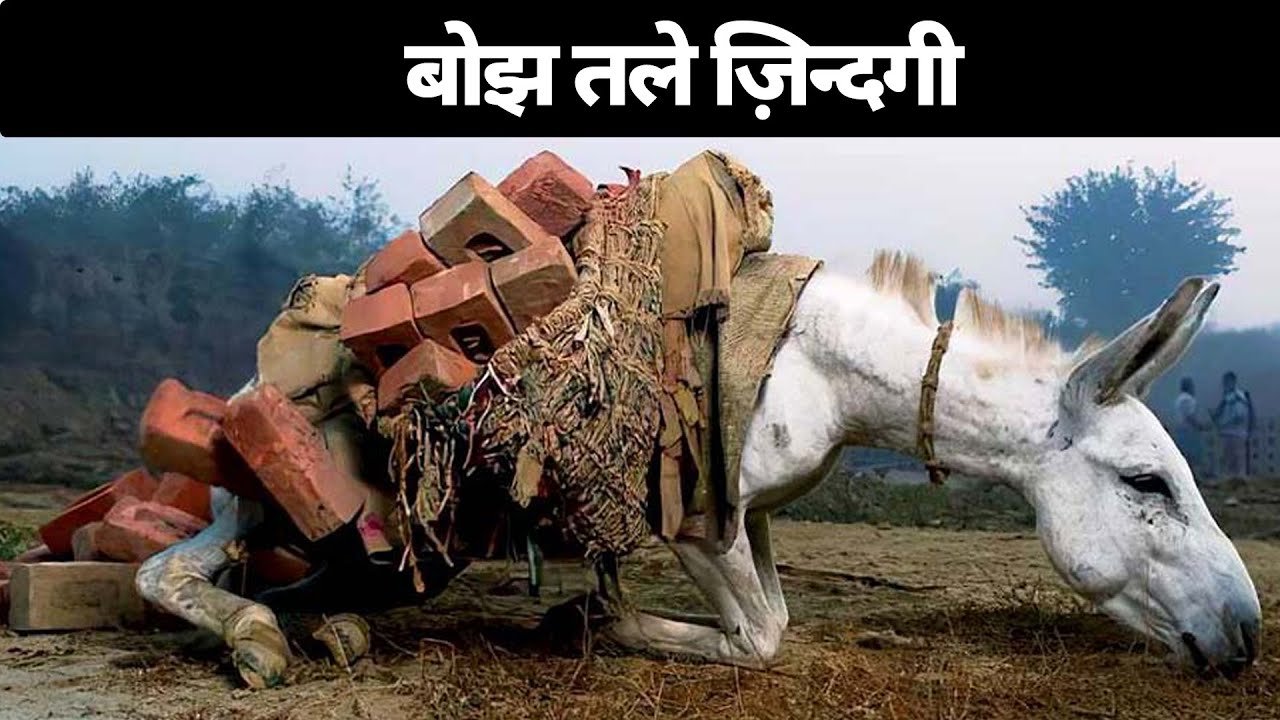
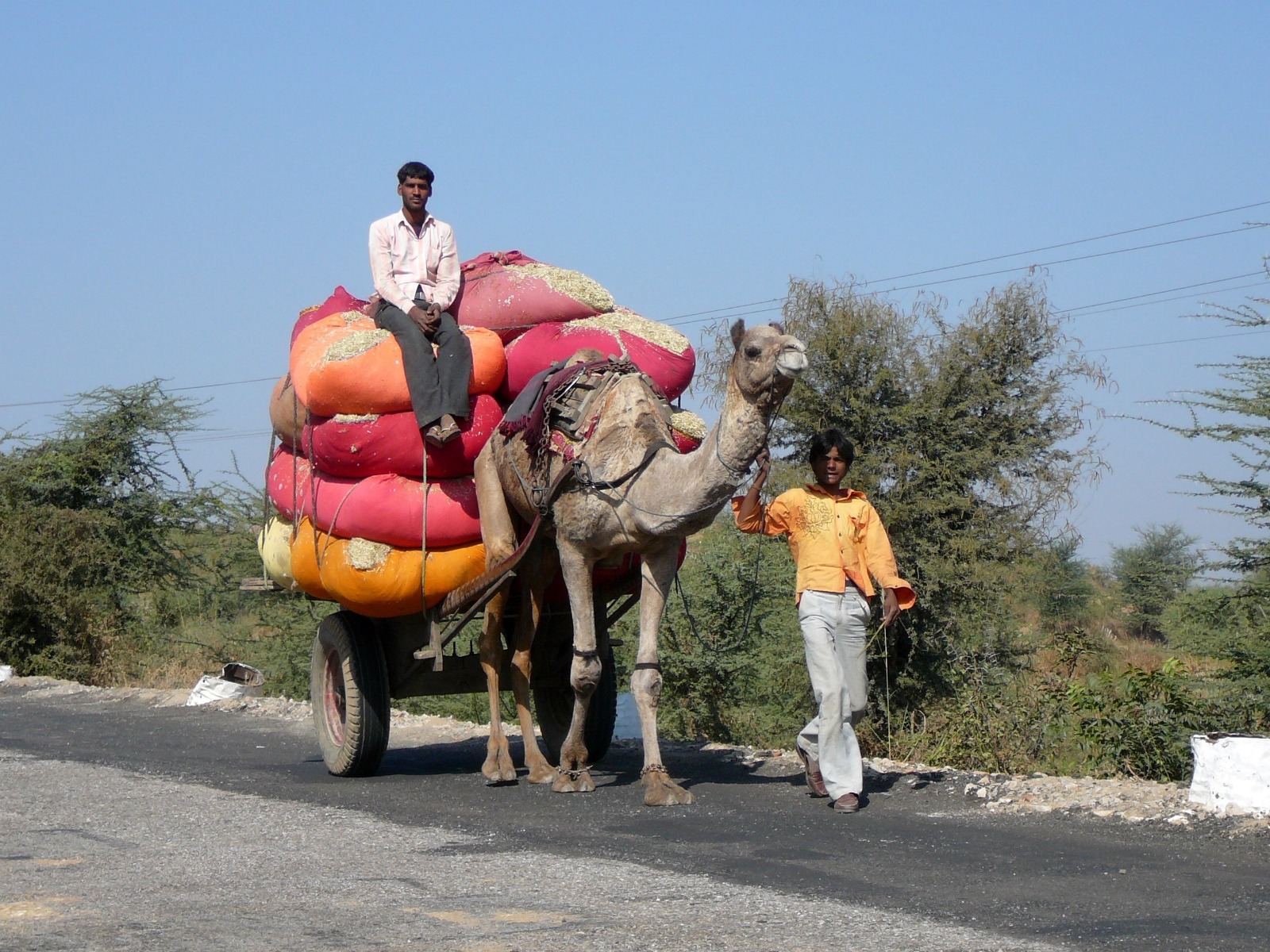
Legal protections exist, but they are simply ignored. Horses pull overloaded carriages and carry heavy cargo, often more than three times their body weight, with no rest or water — even under burning sun. Many are anaemic, malnourished and chronically starving. Veterinary treatment is rarely provided, even for deep wounds or disease.
Spiked bits tear their mouths. Whips and kicks force them to move when exhausted. Horses in cities like Kolkata suffer permanent leg damage working on hard roads; in the Char Dham pilgrimage, many slip-on steep slopes and fall to their deaths. When they are not working, they are confined in cramped, filthy stables, standing in their own waste without clean water. When they become too weak to work, many are simply abandoned.
Horses suffer also in marriage processions, circuses, roadside animal shows and religious festivals, tortured by loud noise and controlled through pain. Investigations have shown cruelty in facilities that extract antitoxins and antivenins from horses, where constant blood draws destroy their health.
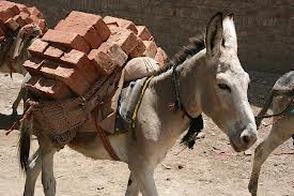
In hilly regions, horses serve as pack animals carrying goods and people up and down steep trails without proper rest. A law was passed in 1965 limiting workload, working hours and heat exposure — but it is not enforced. In Europe and Australia, where laws are enforced, the condition of horses has improved dramatically. In India, laws remain only on paper.
Ill-fitting harnesses cause open sores. Nose ropes cut through cartilage. Spikes and iron rods are used to punish horses for turning their heads. They toil in dust and heat without food or water. Despite long labour hours, many survive only on dry weeds and scraps. Whips are used on their backs, rods are thrust into their rectums, and torture devices made of spikes and wire are used to punish them for turning their heads.
Despite long hours of labor, horses receive little salt or sustenance, sometimes surviving on only dry weeds and a little fodder, leaving them thin, exhausted, and run down.
After injuries or weakness, horses are sent to slaughterhouses. Though the Supreme Court has ordered states to shut illegal slaughterhouses, money and corruption drown those orders. Racing horses are discarded young; smugglers transport unwanted horses in brutal conditions, where many die before reaching slaughter.
In ancient times, warriors — including Lord Krishna — cared for their horses with love. Today, capitalist culture uses animals until they collapse, then throws them away.
The Upanishads and Gita compare the sense organs to wild horses chasing worldly objects, the mind to the reins that restrain them, the intellect to the charioteer, and the soul(Atman) to the king riding the chariot.
Until we learn to control the wild horses of our own senses, and free our minds from corporate pseudo-culture by awakening our conscience, we will remain trapped in a cruel, exploitative society. We have to awaken our intellect and develop conscience and let our Atman shine with the light of the Lord – the Soul of our soul.
Then alone can we save ourselves, save our horses and save our planet

Post a comment